
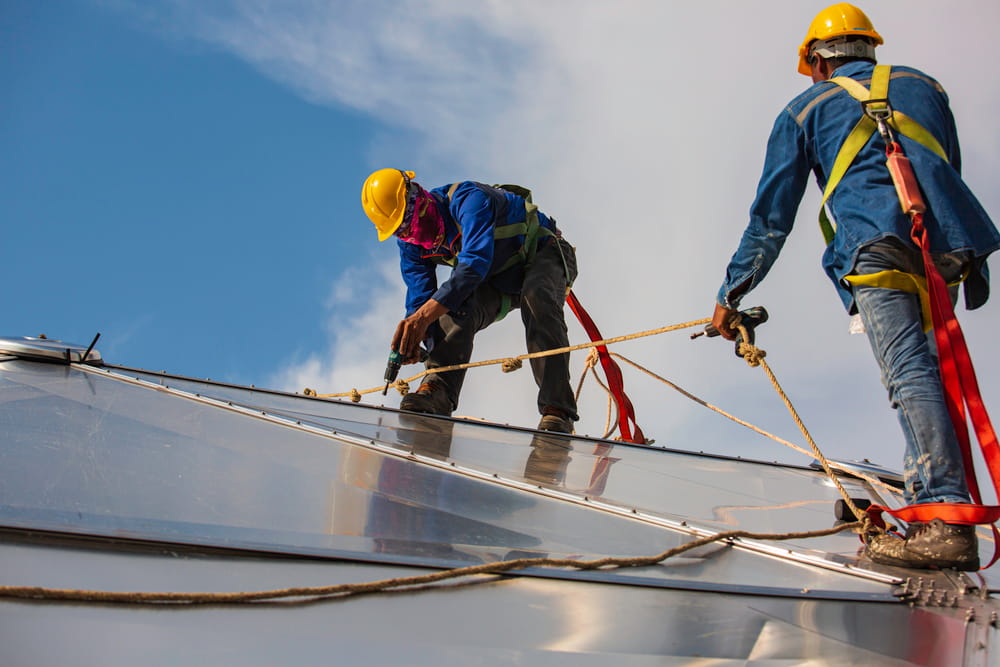
Intermittent stabilization anchors play a critical role in fall protection systems, yet they are often misunderstood or overlooked. Because these anchors are not always in constant use, they can create a false sense of security. Workers may assume that if an anchor was safe last time, it is still safe today. In reality, conditions change, and even small shifts can impact performance.
Proper inspection is not about slowing work down. It is about ensuring that when an anchor is needed, it performs exactly as expected.
What Makes Intermittent Stabilization Anchors Unique
Unlike permanent anchoring systems, intermittent stabilization anchors are designed for specific tasks or phases of work. They may be installed temporarily, used periodically, or repositioned as the job progresses. This flexibility makes them valuable, but it also increases the need for regular evaluation.
Because these anchors may sit unused for periods of time, they are more likely to be affected by environmental exposure, job site changes, or accidental impact. Understanding how they are used helps clarify why inspection is so important.
When Anchor Inspections Should Happen
Anchor inspections should take place before initial use, before each shift where they will be relied upon, and after any event that could affect their integrity. This includes weather exposure, structural changes, or nearby work that may have altered attachment points.
Relying on periodic or weekly inspections alone is not enough. Intermittent anchors are often used in dynamic environments, and conditions can change rapidly. A quick inspection before use can prevent serious incidents.
Key Components to Check During an Inspection
Inspection starts with the anchor itself. Look for visible damage such as cracks, deformation, corrosion, or missing components. Any sign of wear beyond normal use should be treated as a red flag.
Next, evaluate the attachment point. Anchors are only as strong as the structure they are connected to. Check for loose fasteners, compromised substrates, or movement when force is applied. If the anchor shifts or feels unstable, it should not be used.
Compatibility is another critical factor. Ensure that the anchor is rated for the equipment being used, including lanyards, lifelines, or connectors. Mismatched components can significantly reduce system effectiveness.
Common Inspection Mistakes to Avoid
One of the most common mistakes is performing a visual check only. While visual inspection is important, it should be combined with physical checks to confirm stability and attachment strength.
Another issue is assuming that manufacturer installation equals permanent safety. Anchors may have been installed correctly, but job site conditions evolve. Structural modifications, added loads, or material changes can all affect performance.
Documentation is also often overlooked. Failing to record inspections can lead to missed patterns of wear or repeated use of compromised equipment.
Training Crews to Inspect Anchors Properly
Effective inspections depend on knowledgeable workers. Crews should be trained to recognize warning signs, understand load ratings, and know when to remove an anchor from service.
Clear procedures help standardize inspections across teams. When everyone knows what to look for and how to report concerns, issues are addressed faster and more consistently.
Why Professional Evaluation Matters
While daily inspections are essential, periodic professional evaluations add another layer of protection. Certified specialists can assess anchors in context, ensuring they meet regulatory requirements and are appropriate for the work being performed.
Working with an experienced provider like American Anchor for Fall protection solutions helps ensure that intermittent stabilization anchors are properly selected, inspected, and supported throughout the life of a project.
Continue Strengthening Your Fall Safety Knowledge
Understanding how to inspect anchors is an important step, but choosing the right anchor for the job is just as critical. Different environments and tasks require different solutions.
Continue to Understanding Different Types of Fall Protection Anchors and When to Use Each to learn how anchor selection impacts safety and performance on the job site.