
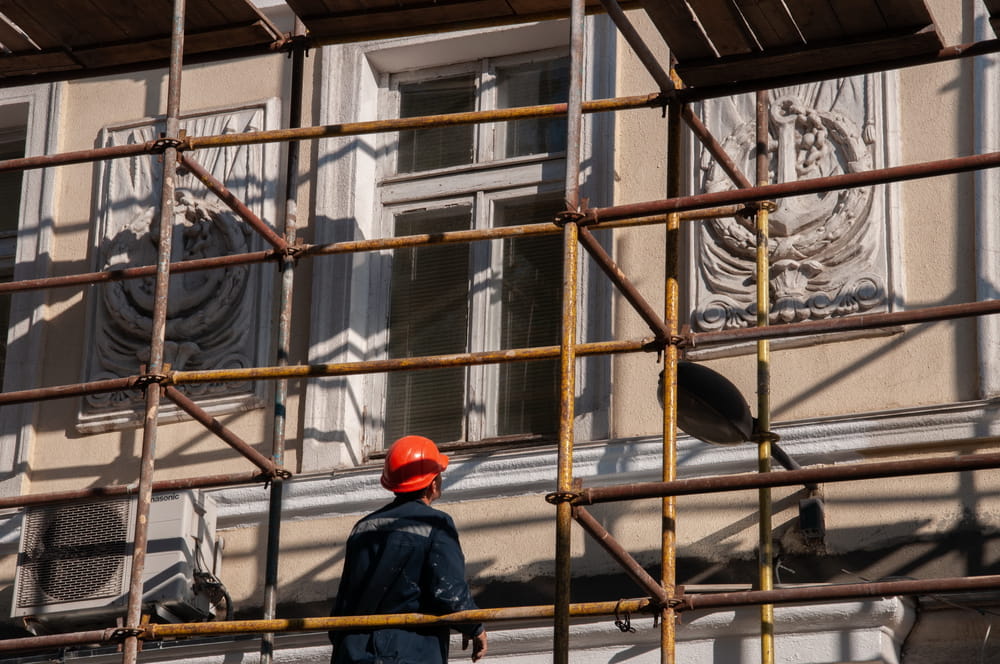
Fall protection anchors are not one size fits all. Each type is designed for specific structures, tasks, and working conditions. Using the wrong anchor, even if it looks secure, can compromise the entire fall protection system. Understanding how different anchors work helps crews make safer decisions before work begins.
Choosing the right anchor is not just about compliance. It is about matching the anchor to the real demands of the job site.
Why Anchor Selection Matters
Anchors serve as the foundation of a fall protection system. They absorb forces, control movement, and protect workers when a fall occurs. If an anchor is not rated for the structure or task, it may fail under load or behave unpredictably.
Different jobs involve different risks. Roofing, steel erection, maintenance work, and facade access all place unique demands on anchoring systems. Selecting the correct anchor helps reduce swing hazards, limits fall distance, and improves overall system performance.
Common Types of Fall Protection Anchors
Temporary anchors are often used for short-term tasks. These include beam clamps, reusable roof anchors, and removable concrete anchors. They offer flexibility and are ideal for projects that change frequently, but they require careful installation and inspection before each use.
Permanent anchors are designed for long-term or recurring access. These anchors are typically installed into structural elements and remain in place after construction is complete. They are commonly used on rooftops, mechanical areas, and maintenance access points.
Wall anchors are another important category. These anchors are installed vertically and are often used in facade work or areas where overhead anchoring is not possible. Because installation methods and load directions vary, wall anchors require careful evaluation and proper approvals before use. A dedicated video covering wall anchor applications and considerations is currently pending approval and will provide a deeper visual explanation once available.
Matching Anchors to Structures and Tasks
An anchor must be compatible with the structure it is attached to. Concrete, steel, wood, and masonry all require different anchoring methods. Using an anchor designed for the wrong substrate can weaken the connection and reduce safety.
Task duration and worker movement also matter. Some anchors are designed for restraint, limiting access to fall hazards, while others are rated for arrest, stopping a fall once it occurs. Understanding these distinctions ensures the system functions as intended.
Mistakes to Avoid When Choosing Anchors
One common mistake is selecting anchors based solely on availability rather than suitability. Just because an anchor is on hand does not mean it is the right choice for the job.
Another issue is ignoring manufacturer specifications. Load ratings, installation requirements, and approved uses exist for a reason. Deviating from these guidelines increases risk and liability.
The Role of Planning and Professional Support
Anchor selection should be part of pre-job planning, not a last-minute decision. Reviewing site conditions, work scope, and access needs ahead of time helps prevent rushed choices that compromise safety.
Working with experienced providers like American Anchor for Fall protection solutions ensures that anchor systems are selected and installed correctly, supporting both worker safety and regulatory compliance.
Continue the Fall Protection Series
Understanding anchor types is essential, but even the right anchor must be inspected before use. Routine checks help catch issues before they become hazards.
Continue to Anchor Safety Checks Before Every Job, What to Inspect and Why It Matters to learn how pre-job inspections keep fall protection systems reliable and ready.